
Intrauterine Insemination (IUI)
Gentle, Effective Fertility Support
Intrauterine Insemination (IUI) – A Simple Path Toward Pregnancy
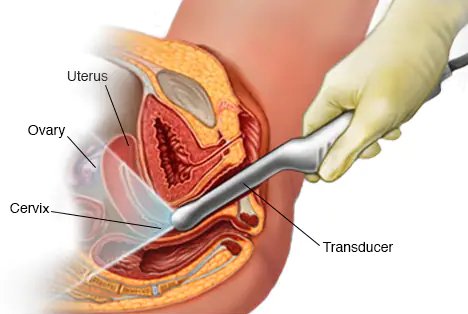
Intrauterine insemination (IUI) is a safe, commonly used fertility treatment designed to help couples achieve pregnancy. During this procedure, specially prepared and concentrated sperm are gently placed directly into the uterus at the most fertile time of your cycle—when an egg is about to be released.
By placing the sperm closer to the egg, IUI increases the chances of fertilization in the fallopian tube, improving the likelihood of a successful pregnancy. IUI may be performed during your natural menstrual cycle or combined with fertility medications to stimulate egg release, depending on your individual needs.
This minimally invasive treatment is often recommended as a first step in fertility care and offers a hopeful, cost-effective option for many couples trying to conceive.
Fertility Treatments
Intrauterine Insemination (IUI): Why It’s Done, How to Prepare, Risks & What to Expect
Intrauterine insemination (IUI) is a simple, commonly recommended fertility treatment that helps sperm reach the egg more easily. It is often suggested as an early treatment option for couples facing difficulty conceiving due to various medical or unexplained reasons.
IUI is most commonly advised for:
- Use of donor sperm: For women using donor sperm, IUI is the preferred method. Frozen sperm from certified labs is carefully prepared before the procedure.
- Unexplained infertility: When routine fertility tests appear normal, IUI combined with ovulation-inducing medicines is often the first step.
- Endometriosis-related infertility: Mild endometriosis may be managed initially with fertility medications and IUI to improve chances of conception.
- Mild male factor infertility: Low sperm count, reduced movement, or abnormal shape can be partially overcome by processing and concentrating healthy sperm for IUI.
- Cervical factor infertility: Thick cervical mucus or cervical scarring can block sperm. IUI bypasses the cervix by placing sperm directly into the uterus.
- Ovulation problems: Women who do not ovulate regularly or release fewer eggs may benefit from IUI along with ovulation support.
- Semen allergy: In rare cases, allergy to semen proteins can prevent pregnancy. IUI removes these proteins while preserving healthy sperm.
IUI is a safe and low-risk procedure. Possible risks include:
- Infection: Very rare and usually mild
- Light spotting: Minor bleeding may occur after catheter placement
- Multiple pregnancy: The risk increases when IUI is combined with fertility medications, which may lead to twins or more and requires close monitoring.
Preparation is carefully planned to maximize success:
- Semen preparation: A fresh or frozen sperm sample is washed to isolate the healthiest, most active sperm.
- Ovulation monitoring: Ovulation is tracked using ultrasound, blood tests, or urine kits. Fertility medications or HCG injections may be used if needed.
- Timing the procedure: IUI is usually performed 24–48 hours around ovulation for optimal results.
The entire visit lasts about 15–20 minutes and is done in a clinic or doctor’s office. The actual procedure takes only 1–2 minutes and is usually painless.
During the procedure:
- A speculum is placed (similar to a Pap test)
- A thin catheter is gently passed through the cervix
- Prepared sperm is inserted directly into the uterus
After the procedure
- You can resume normal activities immediately
- Mild cramping or light spotting may occur for a day
- No bed rest is required
- Wait two weeks before taking a pregnancy test
- Testing too early may give false results
- A blood test at the clinic provides the most accurate confirmation
If pregnancy does not occur, IUI can usually be repeated for 3–6 cycles before considering advanced fertility treatments.
Symptom Relief
Most women experience significant improvement in heavy bleeding, pelvic pain, and pressure.
Fertility Outcomes
Many women successfully conceive after myomectomy. A waiting period of 3–6 months is usually advised before trying to get pregnant.
Fibroid Recurrence
New fibroids may develop over time, especially if multiple fibroids were present initially. Women who become pregnant after surgery often have a lower risk of recurrence.
If you’re struggling to conceive or exploring fertility treatment options, consult our specialist to find out if IUI is right for you. Early evaluation and personalized care can significantly improve your chances of pregnancy.