
Gynaecological Cancers
Early Awareness Saves Lives
Understanding Gynaecological Cancers
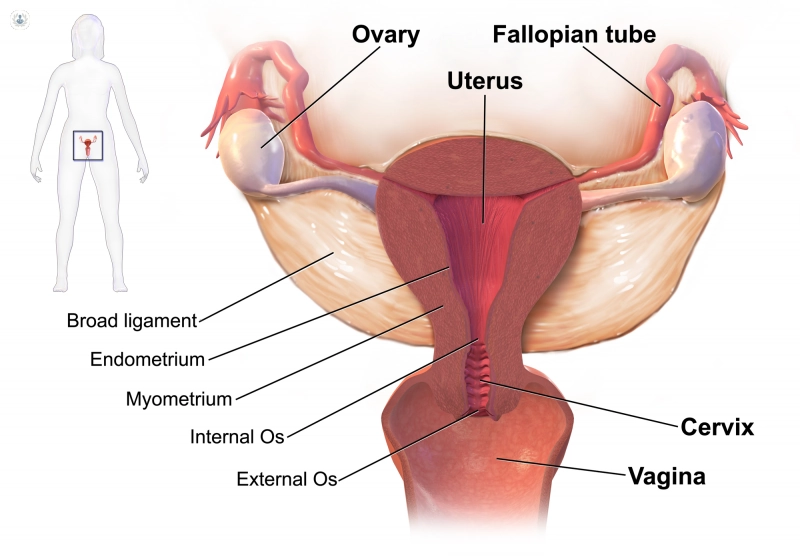
Gynaecological cancers are cancers that develop in a woman’s reproductive organs. These include cancers of the:
Cervix (cervical cancer)
Ovaries (ovarian cancer)
Uterus or womb (uterine/endometrial cancer)
Vulva (vulval cancer)
Vagina (vaginal cancer)
The female reproductive system, like the rest of the body, is made up of millions of tiny cells. Normally, these cells grow and divide in an orderly way. Gynaecological cancer begins when some of these cells start to grow abnormally and uncontrollably.
Early detection plays a crucial role in successful treatment. Recognizing symptoms early and seeking timely medical advice can significantly improve outcomes. If you notice unusual bleeding, persistent pelvic pain, bloating, or changes in your menstrual cycle, it’s important not to ignore them.
👉 Take charge of your health. Regular gynaecological check-ups and screenings can help detect problems early—when treatment is most effective. Book a consultation today for expert care, early diagnosis, and peace of mind.
Protect Your Health.
Know the Signs. Act Early.
Gynaecological cancers can affect different parts of the female reproductive system, so symptoms may vary depending on the location of the cancer. In many cases, early signs are subtle and easy to overlook. Being aware of changes in your body and seeking timely medical advice can make a meaningful difference.
Common Symptoms to Watch For
You may notice one or more of the following symptoms:
Having these symptoms does not automatically mean you have cancer. However, if symptoms are new, persistent, or worsening, it’s important to have them checked by a qualified gynaecologist.
If you notice ongoing or unusual symptoms, don’t wait. Early consultation allows for accurate diagnosis, reassurance, or prompt treatment if needed.
To get the most out of your appointment, consider the following:
- Write down your symptoms, noting when they started, how often they occur, and what makes them better or worse
- Share your family history of cancer, if any, with your doctor
- Follow up if symptoms persist, even if initial tests are normal—seeking a second opinion is okay
- Bring a trusted family member or friend for emotional support and clarity
Your health matters. If you’re experiencing any concerning symptoms or simply want peace of mind, schedule a gynaecological consultation today. Early evaluation can lead to better outcomes and lasting reassurance.