
Fibroids
Uterine Fibroids: Common, Treatable, and Usually Harmless
Understanding Uterine Fibroids
Uterine fibroids are non-cancerous (benign) growths that develop in or on the uterus, most commonly during a woman’s reproductive years. Also known as leiomyomas or myomas, fibroids are very common and are not linked to uterine cancer. In the vast majority of cases, they never become cancerous.
Fibroids can vary greatly in size—some are so small they cannot be seen with the naked eye, while others can grow large enough to change the shape or size of the uterus. A woman may have one fibroid or several, and in rare cases, multiple fibroids can cause the uterus to enlarge significantly, leading to discomfort or a feeling of heaviness.
Many women live with uterine fibroids without any symptoms at all and may not even realize they have them. Often, fibroids are discovered by chance during a routine pelvic examination or an ultrasound done for pregnancy or other gynaecological reasons.
👉 The good news: If fibroids do cause symptoms such as heavy periods, pelvic pain, or fertility concerns, effective and personalized treatment options are available. Early evaluation helps in choosing the right care and avoiding complications.
Things you need to know
Uterine Fibroids: Symptoms, Causes, Risks & When to Seek Care
Uterine fibroids are common, non-cancerous growths that develop in or around the uterus. Many women have fibroids at some point in their lives—and in many cases, they cause no symptoms at all. When symptoms do occur, they often depend on the size, number, and location of the fibroids.
Many women with fibroids feel perfectly well. However, if symptoms are present, they may include:
👉 In rare cases, a fibroid can cause sudden, severe pain if it outgrows its blood supply and begins to shrink.
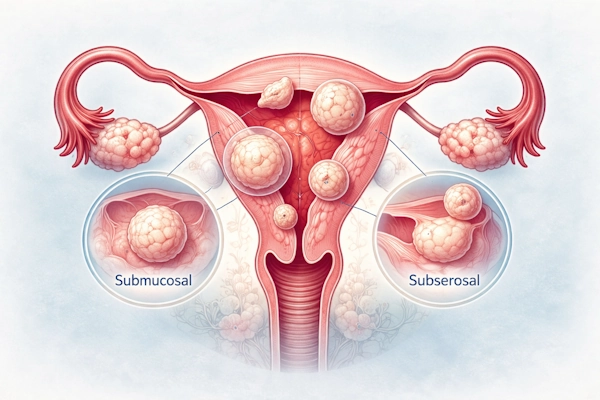
Fibroids are classified by where they grow in the uterus:
- Intramural fibroids: Grow within the muscular wall of the uterus
- Submucosal fibroids: Grow into the uterine cavity and may cause heavy bleeding or fertility issues
- Subserosal fibroids: Grow on the outer surface of the uterus and may press on nearby organs.
You should consult a gynaecologist if you experience:
- Persistent pelvic pain
- Very heavy, long, or painful periods
- Bleeding or spotting between periods
- Trouble emptying your bladder
- Unexplained fatigue or low blood levels (anemia)
The exact cause of fibroids isn’t fully known, but research suggests several contributing factors:
- Hormones: Estrogen and progesterone promote fibroid growth. Fibroids often shrink after menopause when hormone levels drop.
- Genetic factors: Fibroids often run in families and may involve genetic changes in uterine muscle cells.
- Growth factors: Substances like insulin-like growth factor may encourage fibroid development.
- Extracellular Matrix (ECM): This tissue makes fibroids firm and helps them grow by storing growth factors.
Fibroids grow differently in every woman. Some may:
- Grow slowly over years
- Grow rapidly in short phases
- Stay the same size
- Shrink on their own, especially after pregnancy or menopause.
While any woman of reproductive age can develop fibroids, certain factors increase risk:
- Family history (mother or sister with fibroids)
- Early onset of menstruation
- Obesity
- Vitamin D deficiency
- Diet high in red meat and low in fruits, vegetables, and dairy
- Alcohol consumption, especially beer
Although fibroids are usually harmless, they can sometimes lead to:
- Anemia due to heavy menstrual bleeding
- Fatigue and weakness
- Rarely, the need for blood transfusion.
Most women with fibroids can conceive and have healthy pregnancies. However, certain fibroids—especially submucosal fibroids—may:
- Affect fertility
- Increase the risk of miscarriage
- Raise the chance of pregnancy complications such as preterm birth or restricted fetal growth
There is no guaranteed way to prevent fibroids. However, simple lifestyle choices may help reduce risk:
- Maintain a healthy weight
- Eat a balanced diet rich in fruits and vegetables
- Ensure adequate vitamin D
- Limit alcohol intake
If you’re experiencing symptoms of uterine fibroids—or simply want clarity and reassurance—early consultation can make a big difference. Modern gynaecologic care offers personalized, minimally invasive, and fertility-preserving treatment options.