
Endometriosis
Understanding Women’s Health Conditions
Endometriosis: Causes, Symptoms, and Effective Treatment Options
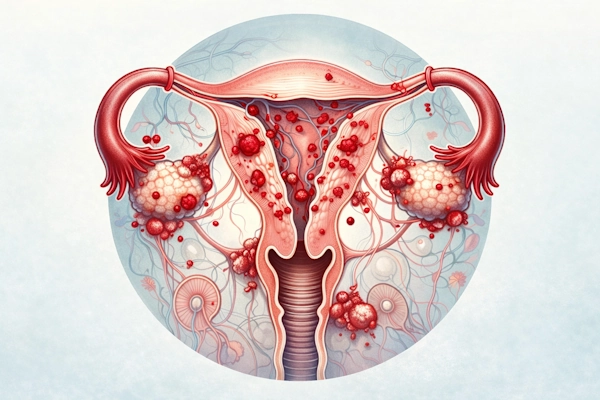
Endometriosis (pronounced en-doe-me-tree-O-sis) is a common yet often painful gynaecological condition in which tissue similar to the lining of the uterus (endometrium) grows outside the uterus. Most often, this tissue affects the ovaries, fallopian tubes, and the pelvic lining. In rare cases, it may spread beyond the pelvic area.
Just like the normal uterine lining, this misplaced tissue responds to monthly hormonal changes—it thickens, breaks down, and may bleed during each menstrual cycle. However, because it has no natural way to leave the body, the tissue becomes trapped. Over time, this can lead to inflammation, painful ovarian cysts known as endometriomas, scar tissue, and adhesions that cause pelvic organs to stick together.
Endometriosis can result in chronic pelvic pain, especially during periods, along with symptoms such as heavy or irregular menstruation, pain during intercourse, and difficulty conceiving. The impact on daily life can be significant—but you are not alone.
The good news is that endometriosis is manageable. With early diagnosis and the right treatment plan—including medication, lifestyle guidance, or minimally invasive surgery—many women find lasting relief and improved quality of life.
👉 If you’re experiencing ongoing pelvic pain or fertility concerns, consult a gynaecologist early. Timely care can make a meaningful difference.
Advanced Gynaecological Care
Endometriosis: Symptoms, Causes, Fertility Risks & Expert Treatment
Endometriosis is a common yet often misunderstood condition where tissue similar to the lining of the uterus grows outside the uterus. This can lead to pain, heavy periods, and fertility challenges. Many women live with symptoms for years before receiving a diagnosis—early evaluation and expert care can make a significant difference.
The most frequent symptom is pelvic pain, especially around menstrual periods. While period cramps are common, endometriosis pain is often more intense, persistent, and progressive.
You may experience:
- Painful periods (dysmenorrhea): Pelvic cramps that may start before your period and continue for several days, often radiating to the lower back or abdomen
- Pain during or after intercourse
- Pain while passing stools or urinating, particularly during periods
- Heavy menstrual bleeding or bleeding between periods
- Difficulty getting pregnant (infertility)
- Digestive symptoms such as bloating, diarrhea, constipation, nausea, or fatigue—especially during menstruation
Important: The severity of pain does not always reflect the severity of the disease. Some women with mild endometriosis have severe pain, while others with advanced disease may have minimal symptoms.
Endometriosis can resemble other causes of pelvic pain, including:
- Pelvic Inflammatory Disease (PID)
- Ovarian cysts
- Irritable Bowel Syndrome (IBS)
Consult a doctor if you have:
- Severe or worsening period pain
- Chronic pelvic pain
- Painful intercourse
- Heavy or irregular periods
- Trouble conceiving
The exact cause is not fully understood, but possible factors include:
- Retrograde menstruation: Menstrual blood flows backward into the pelvis, allowing endometrial cells to implant and grow
- Transformation of abdominal lining cells into endometrial-like tissue
- Hormonal influences, especially estrogen
- Surgical scar implantation after procedures like C-section or hysterectomy
- Spread through blood or lymphatic vessels
- Immune system factors that fail to clear abnormal tissue
You may have a higher risk if you:
- Have never given birth
- Started periods at an early age
- Reach menopause later in life
- Have short menstrual cycles (less than 27 days)
- Experience heavy periods lasting more than 7 days
- Have higher lifetime exposure to estrogen
- Have a low body mass index (BMI)
- Have a family history (mother, sister, aunt)
- Have reproductive tract abnormalities
Endometriosis often develops years after the first period. Symptoms may improve during pregnancy and usually reduce after menopause unless estrogen therapy is used.
Infertility
Endometriosis is a leading cause of infertility. About 30–50% of women with the condition may face difficulty conceiving. It can:
- Block fallopian tubes
- Affect egg quality or sperm function
- Interfere with fertilization and implantation
Cancer Risk
- Ovarian cancer occurs slightly more often in women with endometriosis, but the overall lifetime risk remains low
- Rarely, endometriosis-associated adenocarcinoma can develop later in life
If you are experiencing symptoms of endometriosis, timely consultation with an experienced specialist is key. Personalized treatment plans can help manage pain, protect fertility, and improve daily living.
Endometriosis
Fertilization and Implantation
Simple Steps to Receive the Care You Need
An easy, guided process to help you access the right care with confidence and convenience.