
Ovarian Cysts
Women’s Health
Ovarian Cysts: Causes, Symptoms & When to See a Gynaecologist
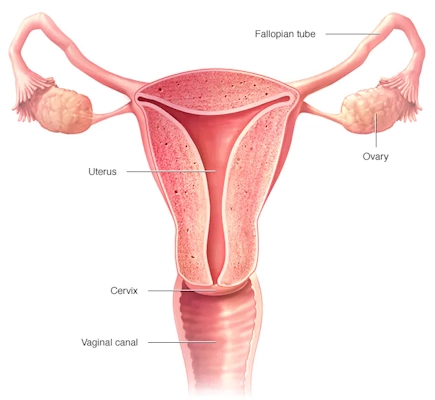
Ovarian cysts are fluid-filled sacs that form in or on the ovaries. The ovaries are small, almond-shaped organs located on either side of the uterus and play a key role in releasing eggs each month during the reproductive years.
Ovarian cysts are very common, and most women develop at least one at some point in their lives. In many cases, these cysts cause no symptoms, are completely harmless, and resolve on their own within a few months without any treatment.
However, some ovarian cysts—especially those that grow larger, twist, or rupture—can lead to noticeable discomfort or sudden pain and may require medical attention. This is why regular gynaecological check-ups are important.
If you experience symptoms such as persistent pelvic pain, bloating, irregular periods, or sudden sharp abdominal pain, it’s important to consult a gynaecologist promptly. Early evaluation helps ensure timely treatment, peace of mind, and better long-term reproductive health.
Things you need to know
Early Signs, Causes & Treatment Options
Ovarian cysts are fluid-filled sacs that develop on or inside the ovaries. Most ovarian cysts are harmless, cause no symptoms, and resolve on their own without treatment. However, some cysts can grow larger, cause discomfort, or lead to complications—making timely evaluation by a gynaecologist in Delhi important.
Functional cysts are related to the menstrual cycle and are usually harmless.
-
Follicular Cyst
Each month, the ovary forms a follicle that releases an egg during ovulation. If the follicle does not release the egg and continues to grow, it becomes a follicular cyst. -
Corpus Luteum Cyst
After ovulation, the follicle becomes the corpus luteum, which produces hormones to support pregnancy. If fluid accumulates inside it, a corpus luteum cyst can form.
These cysts are not related to the menstrual cycle and are less common:
- Dermoid Cysts (Teratomas): May contain hair, skin, or teeth. They are usually benign.
- Cystadenomas: Develop on the surface of the ovary and may be filled with watery or mucous material.
- Endometriomas: Caused by endometriosis, where uterine lining tissue grows outside the uterus and attaches to the ovary.
You may be at higher risk if you have:
- Hormonal imbalances or fertility treatments (such as clomiphene/Clomid)
- Pregnancy
- Endometriosis
- A history of pelvic infections
- Previous ovarian cysts
While most cysts are benign, complications can occur:
- Ovarian torsion: Sudden, severe pelvic pain with nausea or vomiting due to twisting of the ovary and reduced blood flow
- Cyst rupture: Can cause intense pain and internal bleeding, especially with larger cysts or after vigorous activity
There is no guaranteed way to prevent ovarian cysts. However:
- Regular pelvic examinations help detect changes early
- Monitoring menstrual cycle changes can identify problems sooner
- Early consultation with a specialist improves outcomes
If you’re experiencing pelvic pain, bloating, or menstrual changes, don’t ignore the symptoms. Early diagnosis and personalized care can prevent complications.