
Postpartum Care
Gentle Care for Your Recovery Journey
Care After Childbirth
The postpartum period—often called the fourth trimester—is a crucial phase of healing, recovery, and emotional adjustment after childbirth. At our clinic, we provide comprehensive postpartum care to support mothers as they recover physically, emotionally, and hormonally, ensuring a smooth and healthy transition into motherhood.
After delivery, a woman’s body undergoes significant changes. Common concerns during this phase include pain or discomfort, heavy bleeding, wound healing after normal delivery or C-section, breastfeeding challenges, fatigue, mood swings, and hormonal imbalances. Emotional well-being is equally important, as many new mothers experience anxiety, baby blues, or postpartum depression.
Our personalized postpartum care focuses on:
Physical recovery of the uterus and pelvic floor
Breastfeeding support and lactation guidance
Hormonal balance and menstrual health
Mental and emotional well-being
Post-delivery weight management and nutrition
We believe every mother deserves attentive, compassionate, and expert care after childbirth. Through regular follow-ups, timely medical guidance, and a supportive environment, we help you regain strength, confidence, and overall wellness.
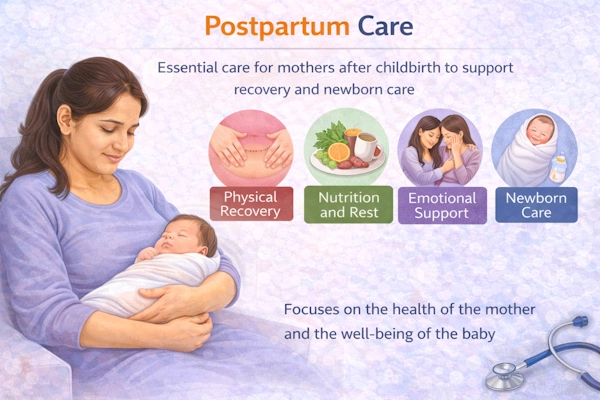
Post-Pregnancy Care
Adjusting to Motherhood: A Gentle Guide for Your Body, Mind, and Family
Postpartum care focuses on a mother’s physical, emotional, and hormonal recovery during the first six weeks after childbirth. While welcoming your baby is a joyful experience, your body is also going through important changes and needs proper medical attention and support.
During this recovery phase, your body heals from pregnancy and delivery, hormones gradually rebalance, and you adjust to caring for your newborn. Postpartum care helps monitor your overall health, manage discomfort, support breastfeeding, address emotional well-being, and prevent complications.
You’ll also have a post-delivery check-up with your doctor to ensure proper healing, discuss family planning, and address any concerns you may have. With the right postpartum care, mothers can recover safely, feel confident, and focus on enjoying early motherhood with peace of mind.
Most new mothers take at least six weeks before returning to work, giving their bodies and minds time to recover and adapt. During this phase, frequent feeding, diaper changes, and sleepless nights are common. Fatigue and frustration are normal—but with time, support, and self-care, daily routines become easier and more manageable.
Simple Ways to Ease the Transition into Motherhood
Prioritize Rest: Sleep deprivation is common after childbirth. Rest whenever your baby sleeps to help your body recover and manage fatigue.
Accept Support: Allow family and friends to help with meals, household chores, or caring for other children. This support is vital for healing and emotional balance.
Nourish Your Body: A balanced diet rich in fruits, vegetables, whole grains, protein, and fluids supports recovery—especially if you are breastfeeding.
Move Gently: Once your doctor approves, start with light activity such as short walks. Gentle movement boosts energy, mood, and overall well-being.
A newborn brings changes not just for the mother, but for the entire family. It’s common for couples to feel they have less time together, which can create emotional strain. Open communication, patience, and understanding are key during this period.
Talk openly about feelings, include older children in conversations, and remember—it’s okay to spend quality time together as a couple. Caring for your relationship is part of caring for your family.
Experiencing emotional ups and downs after childbirth is common. Around 70–80% of new mothers experience baby blues, which usually begin a few days after delivery and resolve within two weeks.
Common baby blues symptoms include:
Mood swings
Tearfulness
Irritability
Restlessness
Difficulty sleeping
However, if these feelings last longer than two weeks or become more intense, it may be postpartum depression, which requires medical care.
Warning signs of postpartum depression may include:
Persistent sadness or hopelessness
Feelings of guilt or worthlessness
Loss of interest in daily activities
Withdrawal from family or baby
Thoughts of harming yourself or your baby
👉 When to see a doctor: If emotional symptoms persist beyond two weeks or you have concerning thoughts, seek medical help immediately. Early treatment can make a significant difference.
Your body goes through many changes after childbirth, and recovery takes time. Weight loss, healing, and hormonal balance don’t happen overnight—be kind to yourself.
Healthy Weight Loss: Focus on nutritious meals and gradual physical activity. Every woman’s postpartum recovery is different.
Breastfeeding Support: Breastfeeding may help with weight loss and uterine recovery, but it’s not the same for everyone.
If you have concerns about your body or recovery, speak with your doctor—personalized guidance is essential.
Breast Engorgement: Swelling and discomfort are normal as milk comes in. Warm or cold compresses and proper breastfeeding support can help.
Constipation & Hemorrhoids: High-fiber foods, fluids, and doctor-approved medications can provide relief.
Pelvic Floor Changes: Kegel exercises help strengthen pelvic muscles and support recovery.
Night Sweats: Hormonal shifts may cause sweating—keeping your sleeping environment cool can help.
Uterine Cramping: Mild cramps are common as the uterus shrinks back to size.
Vaginal Discharge (Lochia): Normal for 2–4 weeks postpartum. Avoid tampons or douching until your doctor advises it.
⚠️ Seek medical care immediately if you experience foul-smelling discharge, heavy bleeding (soaking a pad within two hours), or severe pain.
Your Postpartum Journey: You’re Not Alone
Motherhood brings change—but with the right care, guidance, and support, you will adjust and thrive. Emotional and physical challenges gradually improve, and help is always available.
If you have concerns about postpartum recovery, mental health, breastfeeding, or body changes, don’t hesitate to speak with your gynaecologist. Compassionate, expert care can make this transition healthier, safer, and more reassuring—for you and your baby.
What We Offer
Complete Women’s Healthcare Services
A full spectrum of gynaecologic and maternity services delivered with clinical precision and personalized attention.
Maternity Care
Comprehensive antenatal, delivery, and postnatal care focused on the health of both mother and baby.
Womanhood Care
Personalized gynaecologic care supporting hormonal, menstrual, and reproductive health at every life stage.
Invasive Surgeries
Advanced surgical procedures designed for precision, safety, and faster recovery.
Dedicated to Providing Quality Healthcare for All, Every Day
With the support of an experienced Dr. Sakshi Goel, many women with high-risk pregnancies go on to have safe and healthy deliveries.